Choosing the Right Siding For Your Home in Southern Oregon

By Brandon Equitz November 26, 2025

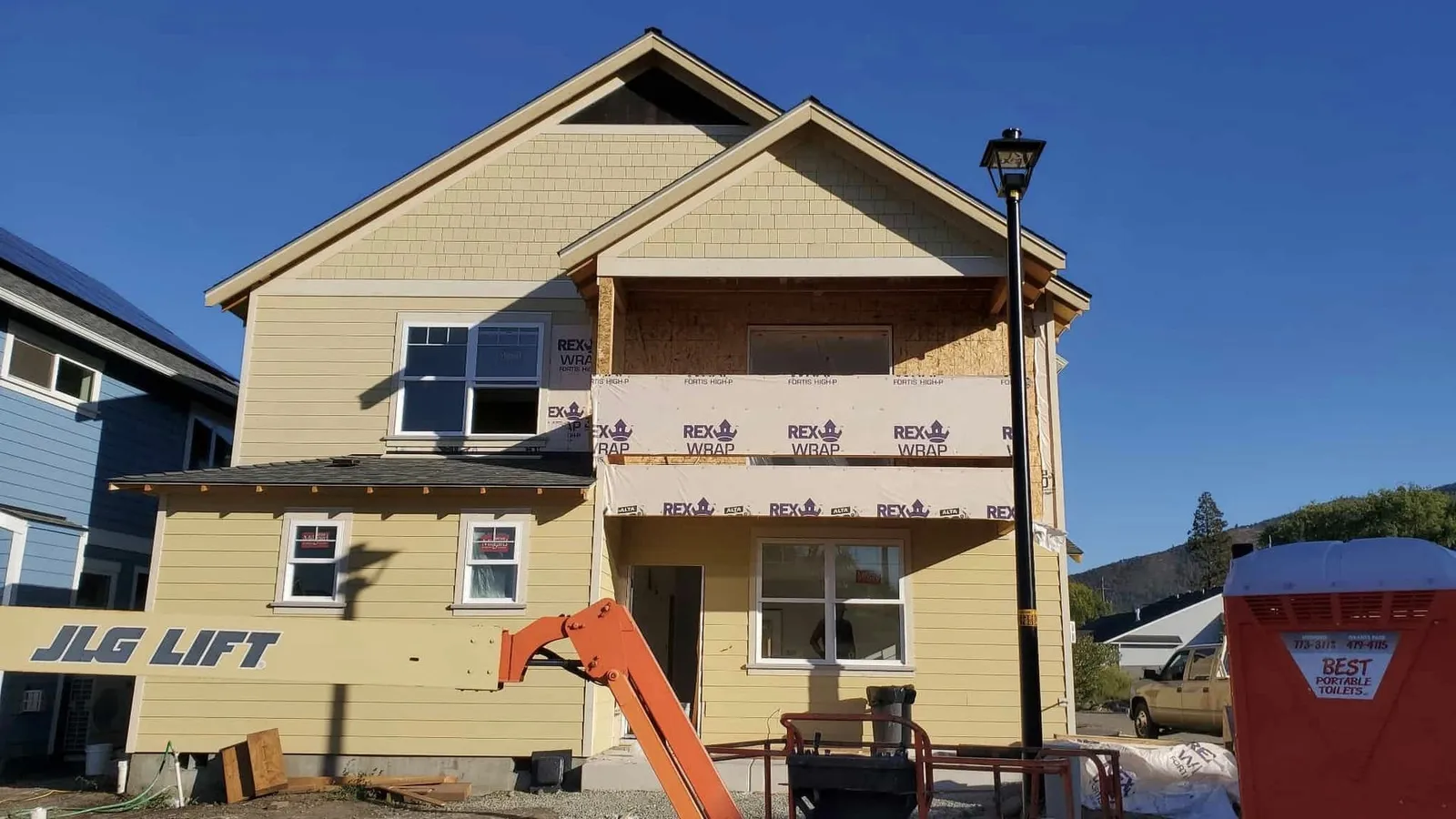
House under construction with light-yellow siding and unfinished balcony, orange lift, blue sky.

So, you're embarking on the exciting journey of selecting new siding for your Southern Oregon home. This isn't just about picking a color; it's about making a crucial investment that impacts your home's protection, energy efficiency, aesthetic appeal, and ultimately, its value. Think of siding as your home's armor – it's the first line of defense against the elements, and in our unique climate, those elements can be quite demanding.


This guide is designed to empower you with the knowledge you need to make an informed decision. We'll explore the various siding options available, dissect their suitability for our region, and equip you with the critical factors to weigh as you navigate this important choice. By the end, you'll be well-prepared to select siding that not only looks fantastic but also stands the test of time in Southern Oregon.

The Importance of Choosing the Right Siding for Southern Oregon Homes

Imagine your home as a ship navigating ever-changing seas. The siding is its hull, the protective barrier that keeps the interior safe and sound. In Southern Oregon, our "seas" are particularly dynamic. Choosing the right siding isn't a luxury; it's a necessity. The wrong choice can lead to premature deterioration, increased maintenance costs, higher energy bills, and even compromise your home's structural integrity. The right siding, however, will enhance your home's curb appeal, reduce energy consumption, provide superior protection, and offer peace of mind for decades to come. It’s an investment in your home’s future, and in a region as beautiful and challenging as ours, that investment truly pays dividends.

Understanding Southern Oregon's Unique Climate: Why It Matters for Siding

Before we dive into the specific siding options, let's establish a foundational understanding of what your chosen material will be up against. Southern Oregon's climate is a beautiful paradox – a vibrant tapestry of extremes that directly impacts the performance and longevity of building materials. Ignoring these climatic nuances is akin to sailing into a storm without checking the forecast; it's a recipe for trouble.

Four Distinct Seasons: From Hot Summers to Wet Winters

Our region experiences the full spectrum of seasons, each presenting its own set of challenges for your home's exterior. Summers here can be scorching, with prolonged periods of intense UV radiation. This relentless sun can fade colors, warp materials, and accelerate the breakdown of less durable sidings. Then there are our winters, often characterized by significant rainfall, freezing temperatures, and occasionally even snow. This cycle of wetting and drying, freezing and thawing, puts immense stress on materials, testing their ability to resist moisture penetration and maintain structural integrity. A siding that performs well in a consistently mild climate might buckle under the pressure of Southern Oregon's seasonal shifts.

Fire Risk Considerations: A Real Concern in Our Region

Beyond temperature and moisture, there's another critical factor that sets Southern Oregon apart: fire risk. The dry summers, coupled with our forested landscapes, make wildfires a recurring and serious concern. Homeowners in our region have a responsibility – and often, a strong desire – to choose building materials that offer enhanced fire resistance. This isn't just about protecting your investment; it's about safeguarding your family and community. While no material is truly "fireproof," some sidings offer significantly better protection against ignition from embers or direct flame exposure, buying precious time and potentially saving your home from catastrophe. This consideration should be at the forefront of your decision-making process.

Your Siding Options: A Deep Dive into Materials and Their Fit for Southern Oregon

Now that we understand the battlefield, let's meet the contenders. Each siding material brings its own strengths and weaknesses to the table, and some are undeniably better suited for Southern Oregon's specific challenges than others.

Construction site with a two-story building on a hillside. An orange lift is in use. Trucks and a trailer are nearby.

1. Vinyl Siding: The Cost-Effective All-Rounder

Vinyl siding is often the go-to for homeowners seeking an economical yet visually appealing exterior. It's made from PVC plastic, known for its flexibility and resistance to rot and insects. Imagine it as the versatile, low-maintenance sedan of the siding world – reliable, efficient, and gets the job done without fuss.


Pros for Southern Oregon: Its relatively low upfront cost and minimal maintenance requirements (a simple wash with a hose usually suffices) make it very attractive. It won't rot, rust, or corrode, which is a big plus against our wet winters. Modern vinyl can also come with improved impact resistance.


Cons for Southern Oregon: The intense UV radiation from our hot summers can be a challenge. While manufacturers have improved UV inhibitors, fading can still occur over time, especially with darker colors. Extreme heat can also cause vinyl to warp or buckle if not installed correctly, creating a wavy appearance. Its fire resistance is generally poor; it will melt and burn when exposed to flame, which is a significant drawback in high-fire-risk areas.

2. Fiber Cement Siding: Durable, Versatile, and Fire-Resistant

Fiber cement is a composite material made from cement, sand, and cellulose fibers. Think of it as the heavy-duty pickup truck – robust, highly capable, and built to last. James Hardie is the most recognized brand in this category.


Pros for Southern Oregon: This is where fiber cement truly shines in our region. Its exceptional durability means it can withstand the harshest Southern Oregon weather – intense sun, driving rain, and freeze-thaw cycles. It's impervious to rot, pests, and fire, making it an outstanding choice for fire-prone areas. Its inherent fire resistance means it won't ignite or contribute fuel to a fire, providing a crucial layer of protection. It can also mimic the look of wood, masonry, or stucco, offering incredible design versatility.


Cons for Southern Oregon: The primary drawback is its higher upfront cost and more complex installation, which often requires specialized tools and trained professionals. While extremely durable, it can be brittle before installation, requiring careful handling. It also needs to be painted every 10-15 years, though pre-finished options extend this period considerably.

3. Wood Siding: Classic Charm with a Southern Oregon Touch

Wood siding, whether it's cedar shingles, clapboard, or log siding, offers undeniable warmth and classic aesthetic appeal. It's the handcrafted furniture of the siding world – beautiful, natural, and timeless.


Pros for Southern Oregon: Wood provides excellent insulation and has a natural, organic look that complements our region's beautiful landscapes. It's also a renewable resource. For those seeking a rustic or historic aesthetic, wood is often the only choice.


Cons for Southern Oregon: This is where the charm can meet reality. Wood requires significant maintenance – regular cleaning, staining, or painting every few years to protect it from moisture, UV damage, and pests like termites. Our wet winters can lead to rot, warping, and mildew if not meticulously maintained. Critically, wood is highly combustible. In a fire-prone region like Southern Oregon, untreated wood siding presents a significant fire risk, making it a less advisable choice unless very specific fire-retardant treatments and spacing requirements are met, and local regulations allow it.

4. Metal Siding: Modern Appeal and Unmatched Durability

Metal siding, typically steel or aluminum, offers a sleek, modern aesthetic and incredible resilience. Consider it the industrial-chic loft – strong, resilient, and cutting-edge.


Pros for Southern Oregon: Metal siding is exceptionally durable, resistant to rot, pests, and fire (especially steel). It can handle extreme temperature fluctuations without warping or cracking and offers excellent impact resistance. Its low maintenance profile is a big draw, and it's often made from recycled materials, making it an environmentally friendly option.


Cons for Southern Oregon: The initial cost can be higher than vinyl. Aluminum siding can dent, and both steel and aluminum can be noisy during heavy rain or hail. Depending on the finish, fading can occur over time, and scratches can expose the underlying metal, leading to corrosion if not treated. The aesthetic isn't for everyone, leaning towards a more contemporary or industrial look.

5. Stucco Siding: The Southwest Vibe Meets Southern Oregon Resilience

Stucco is a cement-based plaster applied in layers over a lath base. It evokes the warmth of the Southwest, durable and distinctive. Think of it as the adobe house – cool in the summer, solid and enduring.


Pros for Southern Oregon: Stucco is incredibly durable, fire-resistant, and offers excellent insulation properties, helping to keep homes cool in our hot summers. It's also resistant to rot and pests. Its seamless appearance can be very appealing, and it offers great design flexibility for various architectural styles.


Cons for Southern Oregon: The biggest challenge for stucco in our region is moisture management. While resistant to water, improper installation can lead to water penetration behind the stucco, causing significant problems like mold and structural damage. It's also prone to cracking over time, especially with ground movement or extreme temperature shifts, requiring repairs. Repairing stucco can be difficult to match perfectly, and the initial installation cost is typically higher and requires specialized, experienced contractors.

6. Engineered Wood Siding: The Best of Both Worlds?

Engineered wood siding is a composite material made from wood fibers, resins, and waxes, pressed together under heat and pressure. It's then typically treated with a special overlay for enhanced durability and paint adhesion. It's like the carefully crafted hybrid car – designed to combine the best attributes of different worlds.


Pros for Southern Oregon: Engineered wood aims to capture the aesthetic appeal of natural wood without its high maintenance demands. It's more resistant to rot, pests, and moisture than solid wood due to its composite nature and protective treatments. It's generally more durable than vinyl and often comes with longer warranties. Many products offer good impact resistance and can be pre-primed or pre-finished.


Cons for Southern Oregon: While better than natural wood, its fire resistance is still not on par with fiber cement or metal, and it can contribute fuel to a fire. It still requires painting, though less frequently than natural wood. The resins can sometimes break down over very long periods, and improper installation can lead to moisture-related issues. The upfront cost is typically higher than vinyl.

Small, weathered house with green gable, tan siding, white windows and door.  Brown roof, overgrown yard.

Key Factors to Consider When Making Your Choice

Choosing siding isn't a one-size-fits-all decision. It's about aligning your priorities, your budget, and your aesthetic preferences with the realities of Southern Oregon's environment. Here are the crucial factors to weigh:

Budget: What Can You Afford, Upfront and Long-Term?

Your budget is undeniably a primary driver. However, it's vital to think beyond just the initial purchase and installation cost. Consider the long-term cost of ownership. A cheaper material upfront might require more frequent maintenance, painting, or even early replacement, ultimately costing you more over two decades. Conversely, a higher initial investment in a durable, low-maintenance material like fiber cement could save you significant money and headaches down the line. Factor in materials, labor, and potential future upkeep when assessing affordability.

Maintenance: How Much Time Are You Willing to Invest?

Be honest with yourself about your tolerance for maintenance. Are you someone who enjoys spending weekends cleaning, painting, or making repairs? Or do you prefer a "set it and forget it" approach? Vinyl and metal siding are generally low-maintenance, requiring little more than occasional cleaning. Fiber cement needs periodic painting. Wood siding, by contrast, is a high-maintenance commitment. Your chosen siding should align with your lifestyle, not dictate it.

Aesthetics: What Look Are You Trying to Achieve?

Your home's exterior is a reflection of your personal style and the architectural character of the house itself. Do you envision a classic, rustic feel? A sleek, modern statement? Or something in between? Each siding material offers distinct textures, colors, and profiles. Wood provides natural warmth, fiber cement offers incredible versatility to mimic various materials, and metal can achieve a contemporary edge. Don't sacrifice the look you love, but also consider how that look will hold up under Southern Oregon's sun and rain.

Durability and Longevity: A Long-Term Investment

Siding is not a short-term purchase. You want a material that can withstand the test of time and the elements. Consider how each material stands up to impact from hail or debris, resistance to rot, insects, and general wear and tear. A highly durable material will protect your home for decades, reducing the need for costly repairs or premature replacement, and ultimately enhancing your home's resale value.

R-Value (Insulation): Keeping Your Home Comfortable Year-Round

The R-value measures a material's thermal resistance, or its ability to resist heat flow. A higher R-value means better insulation. In Southern Oregon, where we experience both extreme heat and cold, siding with good insulative properties can significantly impact your energy bills. While siding itself isn't typically the primary insulator (that's usually the job of wall insulation), some materials offer better inherent thermal performance, and most can be combined with insulated backer boards or house wrap to boost your home's overall R-value, leading to a more comfortable and energy-efficient interior.

Fire Resistance: A Critical Consideration in Southern Oregon

This factor cannot be overstated for homeowners in Southern Oregon. Given our annual wildfire season, choosing siding with good fire resistance isn't just a smart move; it's a responsible one. Materials like fiber cement and steel are excellent choices for fire resistance as they are non-combustible. Wood, on the other hand, is highly combustible and should be approached with extreme caution, if at all, in high-risk areas. Always check local building codes and insurance requirements regarding fire-resistant materials in your specific zone. Prioritizing fire safety offers invaluable peace of mind.

Exterior view of a small green house with a patio, sliding door, and awning.

Bringing It All Together: Making Your Final Decision

You've explored the landscape of options and weighed the critical factors. Now, it's time to synthesize this knowledge into a confident decision. There's no single "best" siding for everyone; the ideal choice is the one that perfectly balances your budget, aesthetic desires, maintenance preferences, and Southern Oregon's unique environmental demands.


Start by narrowing down your choices based on the non-negotiables, especially fire resistance if you're in a high-risk area. Then, compare the remaining options against your budget for both initial cost and long-term maintenance. Finally, consider the aesthetic and how it complements your home's architectural style. Remember that modern siding technology offers incredible versatility, allowing many materials to mimic the look of others. Don't be afraid to mix and match materials or textures to create a truly unique and resilient exterior. Your home is an investment; treat its protective skin with the same care and consideration.

  • What's the most fire-resistant siding for Southern Oregon homes?

    Fiber cement siding (like James Hardie) and metal siding offer the best fire protection for our region. Both are non-combustible materials that won't ignite from embers or flames, providing crucial defense during wildfire season. Wood siding should be avoided in fire-prone areas as it's highly combustible. Many insurance companies offer discounts for homes with fiber cement or metal siding in high-risk zones.

  • How much does new siding cost in Medford and Grants Pass?

    Siding costs vary significantly by material. Vinyl siding runs $4-8 per square foot installed, while fiber cement ranges from $8-15 per square foot. Metal siding typically costs $7-12 per square foot. For a 2,000 sq ft home, expect $8,000-16,000 for vinyl or $16,000-30,000 for fiber cement. Remember to factor in long-term maintenance costs - fiber cement lasts 30-50 years with minimal upkeep.

  • Which siding handles Southern Oregon's wet winters and hot summers best?

    Fiber cement siding excels in our climate extremes. It won't rot, warp, or deteriorate from our wet winters, and its UV-resistant finish withstands intense summer sun without fading. Metal siding also performs well but can be noisy during rain. Vinyl may warp in extreme heat, while wood requires constant maintenance to prevent rot and weather damage in our four-season climate.

  • How often does siding need maintenance in Southern Oregon?

    Maintenance frequency depends on material choice. Vinyl and metal siding need only annual washing with a hose. Fiber cement requires repainting every 10-15 years (or 20+ years with pre-finished options). Wood siding demands the most attention - cleaning, staining, or painting every 3-5 years to protect against moisture and UV damage. Factor these ongoing costs into your decision.

  • Is engineered wood siding a good compromise for Southern Oregon homes?

    Engineered wood siding offers better durability than natural wood with less maintenance, making it a decent middle-ground option. It resists rot and pests better than solid wood while providing that classic wood aesthetic. However, it still lacks the fire resistance of fiber cement or metal - a critical consideration in our wildfire-prone region. It's best suited for lower fire-risk areas where homeowners want wood appearance without extreme maintenance.

Connect with a Local Siding Expert

While this guide provides a comprehensive overview, nothing replaces the personalized advice of a seasoned professional. A local siding expert understands the nuances of Southern Oregon's climate, local building codes, and the specific performance characteristics of various materials in our environment. They can help you assess your home's unique needs, provide accurate estimates, and ensure a proper, long-lasting installation. Don't hesitate to reach out to reputable local contractors. Their expertise will be invaluable in transforming your vision into a durable, beautiful reality for your Southern Oregon home.

Get A Free Quote

Map Pin

Serving Southern Oregon

Phone ringing

(541) 500-0488

Latest Insights